Read Time:
3 Mins

AI and Internal Mobility: Retaining Talent Through Smart Insights

By
CBREX

Recruiting new talent is only part of the story. Retaining and developing existing employees is equally critical — yet identifying the right internal candidates for new roles can be challenging. AI is quietly helping recruiters and HR teams make internal mobility strategic, targeted, and effective.

A real-world example: identifying untapped potential

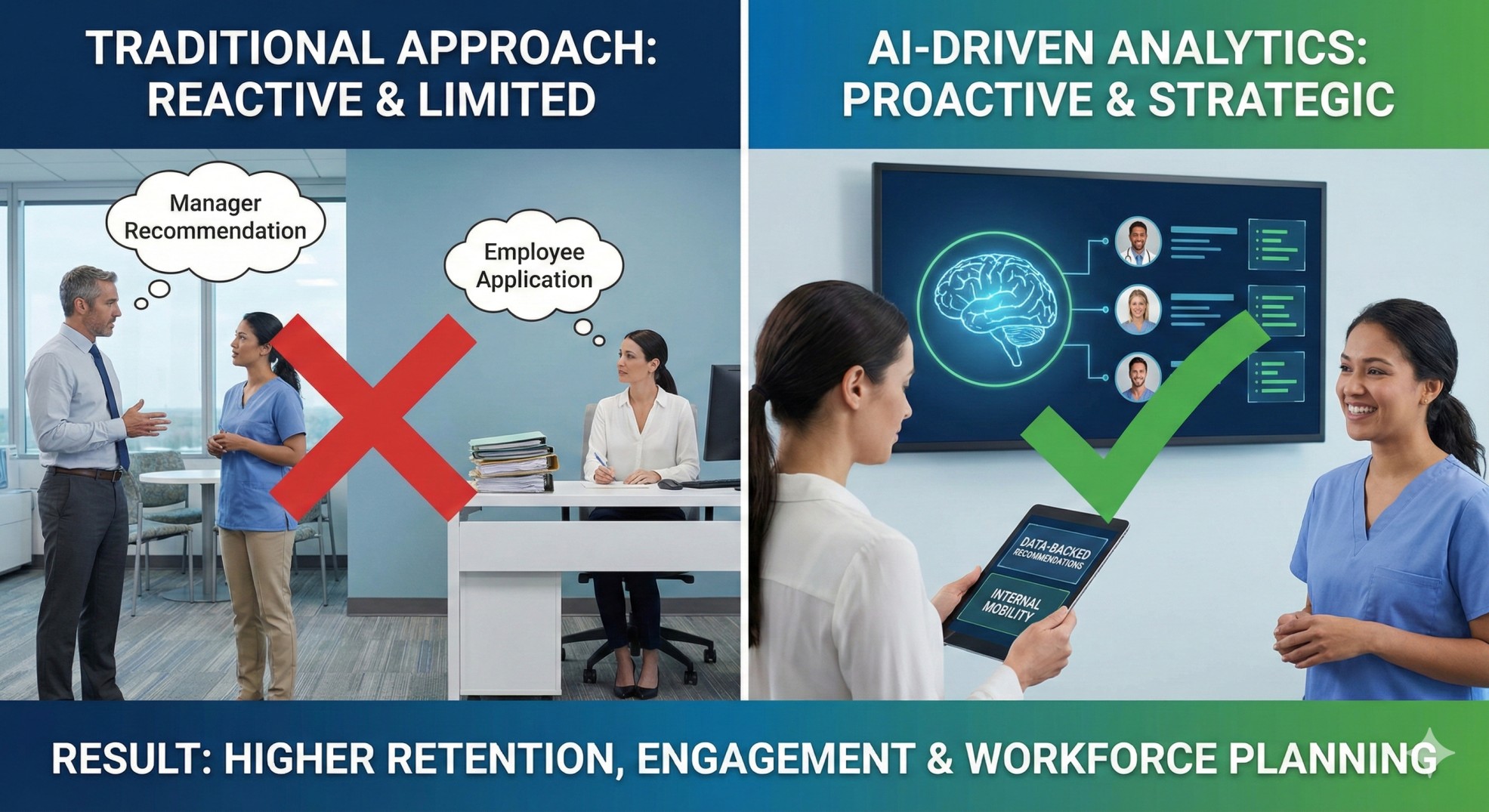
A large healthcare organization wanted to improve retention and develop leadership pipelines. Traditionally, internal candidates were considered only if managers recommended them or if employees applied for open roles — leaving many potential fits overlooked.

By introducing AI-driven talent analytics, the organization could match employees’ skills, experiences, and career goals to upcoming opportunities. Recruiters received data-backed recommendations for internal mobility, allowing them to engage employees proactively and align roles with both organizational needs and personal growth.

The result? Higher retention, better engagement, and more strategic workforce planning — without replacing recruiter judgment.
How AI supports internal mobility

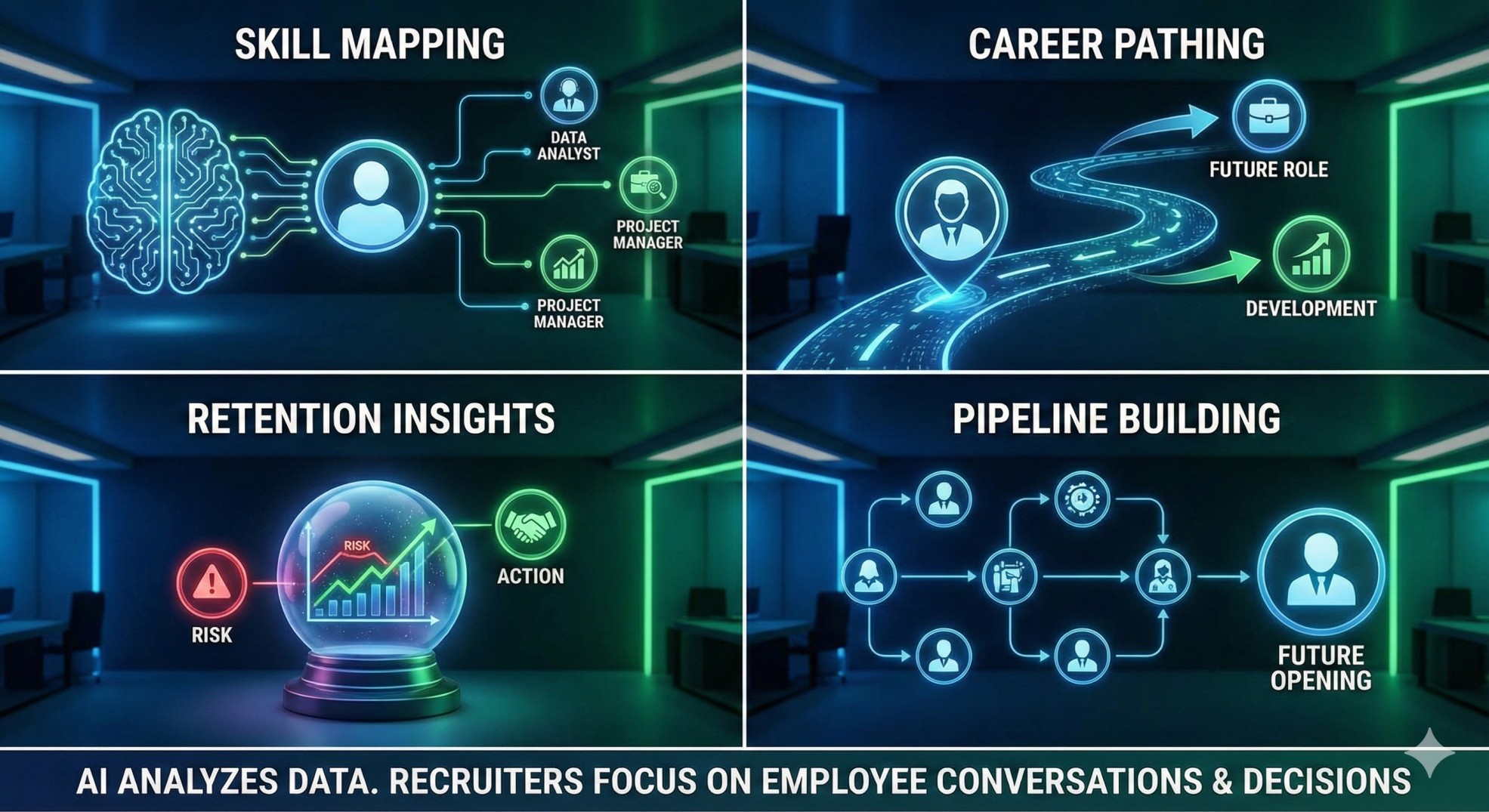
Recruiters and HR teams using AI for internal talent management see benefits such as:

  • Skill mapping: Identify employees with transferable skills for new roles.

  • Career pathing: Suggest development opportunities aligned with individual goals.

  • Retention insights: Predict potential turnover and act proactively.

  • Pipeline building: Maintain internal talent pipelines for future openings.

AI organizes and analyzes data, while recruiters focus on employee conversations, development guidance, and final decisions.
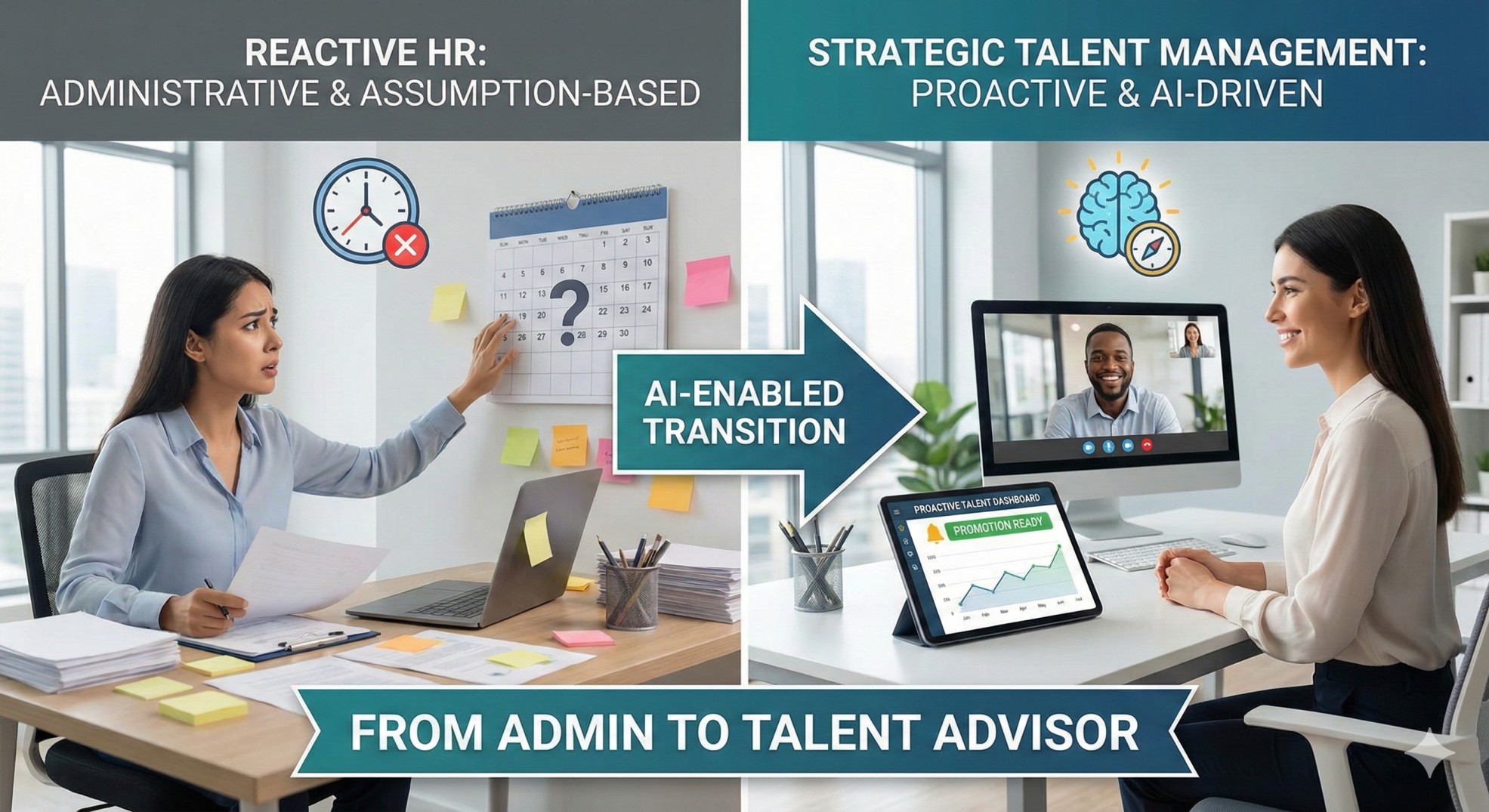
From reactive HR to strategic talent management

With AI handling data analysis:

  • Recruiters can proactively identify employees ready for promotion or lateral moves.

  • Internal candidates feel valued and engaged through timely communication.

  • Organizations can plan workforce development based on real insights, not assumptions.

  • Recruiters shift from administrative roles to talent advisors.

A quiet role for platforms in internal mobility

Platforms like CBREX help recruiters integrate internal mobility insights into their workflows. AI surfaces relevant internal talent and provides structured recommendations, while recruiters maintain control, guiding employee growth and placement decisions.

The takeaway

Internal talent is a company’s most valuable asset — and AI ensures recruiters can see and act on that potential.

By combining AI-driven insights with human judgment, organizations can retain and develop employees effectively, making hiring and career progression smarter, fairer, and more strategic.


Table of contents

Sign up for regular updates
Get all the news delivered to your inbox.
Thank you! Your submission has been received!
Oops! Something went wrong while submitting the form.

Similar blogs

Read Time :
How to Evaluate a Recruitment Marketplace: 8 Must-Checks
Walk TA leaders through a practical, criteria-driven framework for evaluating recruitment marketplace platforms before signing a contract. Cover the eight most critical checkpoints — AI matching accuracy, agency network depth, screening quality, single-contract coverage, ATS integration, fee model transparency, geographic reach, and time-to-fill benchmarks — with specific red flags to watch for at each stage. Help mid-market hiring teams avoid costly platform lock-in and pick a marketplace that genuinely fits their niche and global hiring needs.
Read Time :
ATS Integration With Recruitment Agencies in India
A practical guide for Indian TA leaders on how to connect their existing ATS with external recruitment agencies and marketplace platforms — without manual data entry, duplicate workflows, or broken handoffs. Covers what seamless ATS integration looks like in practice, which systems CBREX connects with, and how Indian mid-market companies can unify agency activity inside a single hiring dashboard. Maps directly to the ATS Integration feature and the pain point of administrative chaos from managing multiple agencies.
Read Time :
How Does AI Vendor Matching Work in Recruitment?
Answer the most common questions TA leaders ask about AI-driven vendor matching — how job requirements get routed to the right specialist agencies, what signals the algorithm uses (role type, geography, past fill rates), and how it compares to manually managing a recruiter panel. Use CBREX's C Map tool as the worked example, covering accuracy, speed gains, and how matching reduces time-to-fill for niche and multi-country roles.