Read Time:
18 Mins
How to Choose the Right RPO Model for Global Hiring

Your CFO just approved headcount for 23 roles spread across India, Japan, Brazil, and Germany. Your internal TA team of four covers domestic hiring reasonably well. Nobody on the team has ever placed a candidate in São Paulo or Osaka. You have six weeks before the business starts asking for shortlists.
This is the moment most TA leaders at Indian mid-market companies reach for an RPO provider — and then spend the next three weeks confused by proposals that all look different, promise the same things, and charge in completely different ways. The problem isn't that RPO is complicated. The problem is that there are four distinct RPO models, each built for a different hiring reality, and most vendor proposals don't tell you which one you're actually buying.
This guide walks you through each model, where each one breaks down, the red flags to watch for in vendor proposals, and the specific questions to ask before you sign anything. The frame throughout is the one that matters most right now: mid-market Indian companies managing multi-geography hiring without dedicated regional HR teams.
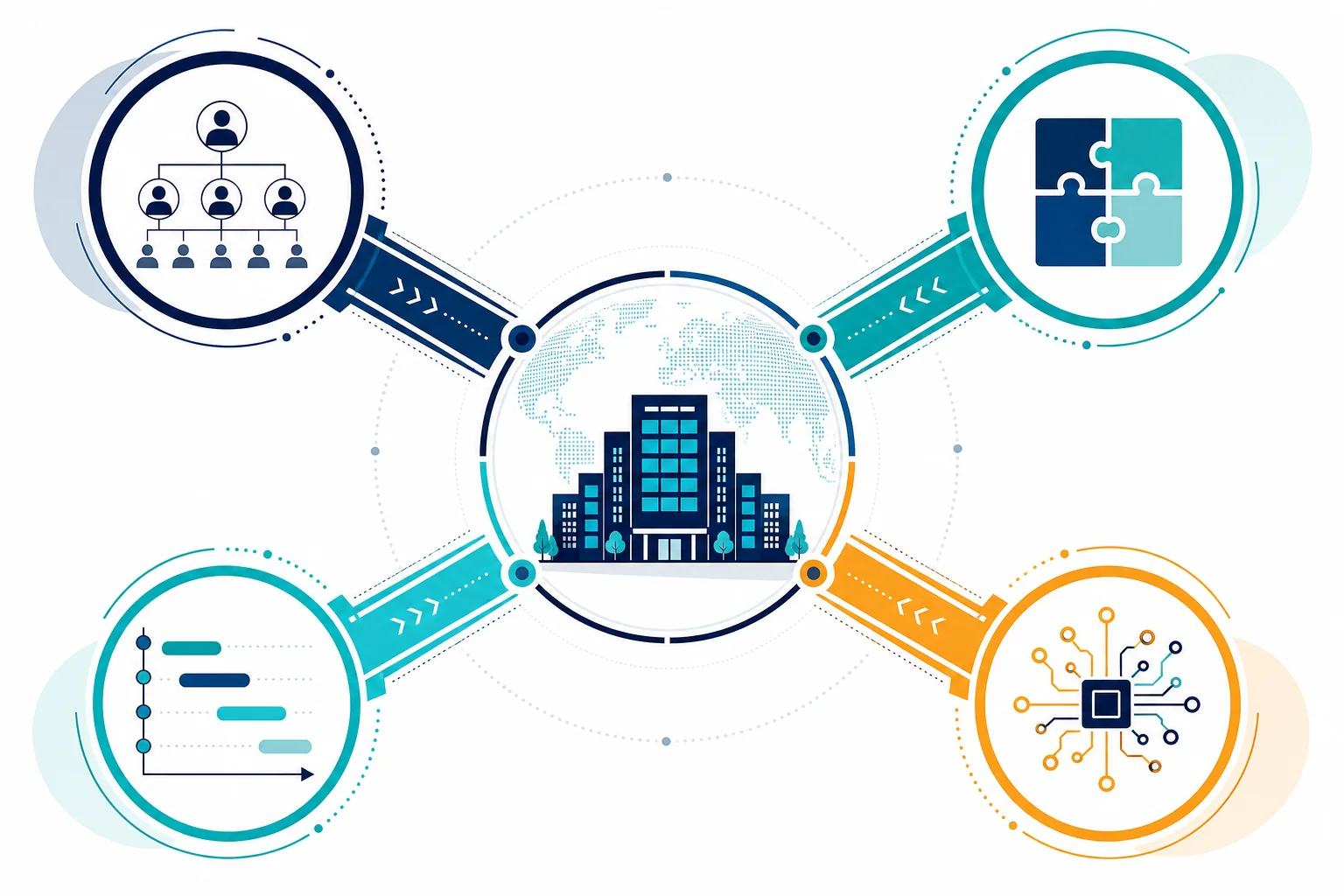
Recruitment Process Outsourcing is not a single product. It's a category that covers at least four structurally different engagement models. Choosing the wrong one doesn't just cost money — it costs time, candidate quality, and internal credibility. Here's how the four models differ at the structural level before we go deeper into each.
Each model has a natural home. The mistake most TA leaders make is choosing based on what the vendor sells best, not what their hiring reality actually demands. The sections below break down each model honestly, including where each one fails.
Full RPO is the model most people picture when they hear "recruitment outsourcing." A dedicated team from the vendor sits inside your hiring process, manages your ATS, coordinates interviews, and owns the pipeline from job brief to offer acceptance. For the right company, it's genuinely powerful.
Full RPO performs best when hiring volume is high, predictable, and concentrated in one or two geographies. A company hiring 200+ people per year in India, with consistent role profiles and a stable employer brand, can extract real value from a full RPO engagement. The vendor builds institutional knowledge, the dedicated team learns your hiring manager preferences, and the process becomes genuinely efficient over time.
The model starts to fracture the moment hiring becomes multi-geography, niche, or unpredictable. Most full RPO providers are built around volume, their economics depend on it. When you ask them to hire a regulatory affairs specialist in Germany and a supply chain head in Mexico in the same quarter, you're asking a volume machine to do precision work. The results are usually slow, expensive, and frustrating.
For Indian mid-market companies going global, the structural problem is even sharper. Full RPO providers typically have strong domestic networks and thin international coverage. They'll claim global capability in the proposal, but the actual delivery often relies on a handful of international sub-vendors they've never used for your specific role type.
For a detailed breakdown of what you're actually paying in a traditional RPO engagement, the Recruitment Agency Cost in India: What You're Really Paying guide covers the fee structures most vendors don't volunteer upfront.
Selective RPO, sometimes called modular RPO, lets you outsource specific parts of the hiring process while keeping the rest in-house. You might outsource sourcing for a specific geography, or screening for a specific function, while your internal team handles everything else.
This model suits companies with a capable internal TA function that has clear, identifiable gaps. A strong domestic TA team that lacks sourcing reach in Southeast Asia, for example, can bring in a selective RPO partner to handle APAC sourcing while retaining full control of the rest of the process. It's also useful for companies that want to test outsourcing before committing to a full engagement.
The coordination overhead is real. When the sourcing is done by one party, screening by another, and interview coordination by your internal team, handoff failures multiply. Candidate experience suffers. Accountability becomes diffuse, when a hire falls through, everyone points at the other module. For multi-country hiring, this fragmentation compounds quickly.
Project RPO is exactly what it sounds like: a time-bound, scope-defined engagement to deliver a specific number of hires. The vendor comes in, delivers the headcount, and exits. No ongoing management fee, no long-term commitment.
This model is well-suited to discrete, high-intensity hiring events. A GCC buildout in Hyderabad requiring 80 hires in six months. A market entry into Vietnam requiring 15 commercial hires before Q3. A product launch requiring a specialist engineering team assembled in 90 days. When the scope is clear and the timeline is fixed, project RPO can be highly efficient.
For Indian companies entering new geographies for the first time, project RPO can also serve as a low-commitment way to test a vendor's international capability before signing a longer engagement. See how they perform on a defined scope before you hand them your entire hiring function.
Scope creep is the primary risk. Projects expand. Timelines slip. The "80 hires in six months" becomes 110 hires over nine months, and the original project pricing no longer applies. Vendors who price project RPO aggressively often recover margin through extension fees and out-of-scope charges.
Knowledge transfer is the other failure point. When the project ends, the institutional knowledge the vendor built, candidate market intelligence, hiring manager preferences, salary benchmarks, often walks out the door with them. Your next hiring cycle starts from scratch.
The three models above were all designed in an era when recruitment outsourcing meant assigning a human team to manage your hiring. AI-powered marketplace RPO is structurally different. Instead of a dedicated team working your roles, an AI platform routes your requirements to the most qualified specialist agencies across a global network, and you only pay when a hire is made.

On a platform like CBREX, the process works like this: you post a role, and the AI vendor matching engine (C Map) analyses the requirement and routes it to the most relevant specialist agencies from a network of 4,000+ firms across 33 countries. Those agencies source candidates from their local markets, including passive talent that no job board reaches. Every CV that comes back is validated by C Screen, an AI resume screener trained on 250,000+ anonymised resumes across 570+ job categories, before it reaches your hiring manager. You review a pre-screened, stack-ranked shortlist. You only pay when someone joins.
There are no retainers, no seat licences, no minimum billing floors, and no ATS configuration fees. One contract covers every country in the network. One invoice covers every hire, regardless of geography.
The core problem for Indian mid-market companies hiring across multiple countries is that no single traditional RPO provider has genuine specialist depth in every market. A provider strong in India and the UAE will be thin in Japan and Brazil. A provider with European coverage will struggle with Southeast Asia. The AI marketplace model solves this by aggregating specialist agencies, firms that know their local market deeply, and routing roles to the right firm automatically.
For a TA leader managing hiring across Argentina, Germany, South Korea, and Singapore simultaneously, this means each role goes to an agency that actually specialises in that market and function, rather than a generalist team trying to cover everything from a central hub. The Global Hiring from India: The 2026 Complete Guide covers the full landscape of options for Indian companies expanding internationally.
This model is not the right fit for every scenario. If you need a fully embedded team managing your ATS, coordinating interviews, and acting as an extension of your HR function, a marketplace platform won't replicate that. It's a sourcing and screening engine, not a process management service. Companies that need deep process ownership, not just candidate delivery, may need to combine marketplace RPO with selective internal capacity.
Five diagnostic questions will get you to the right model faster than any vendor presentation.
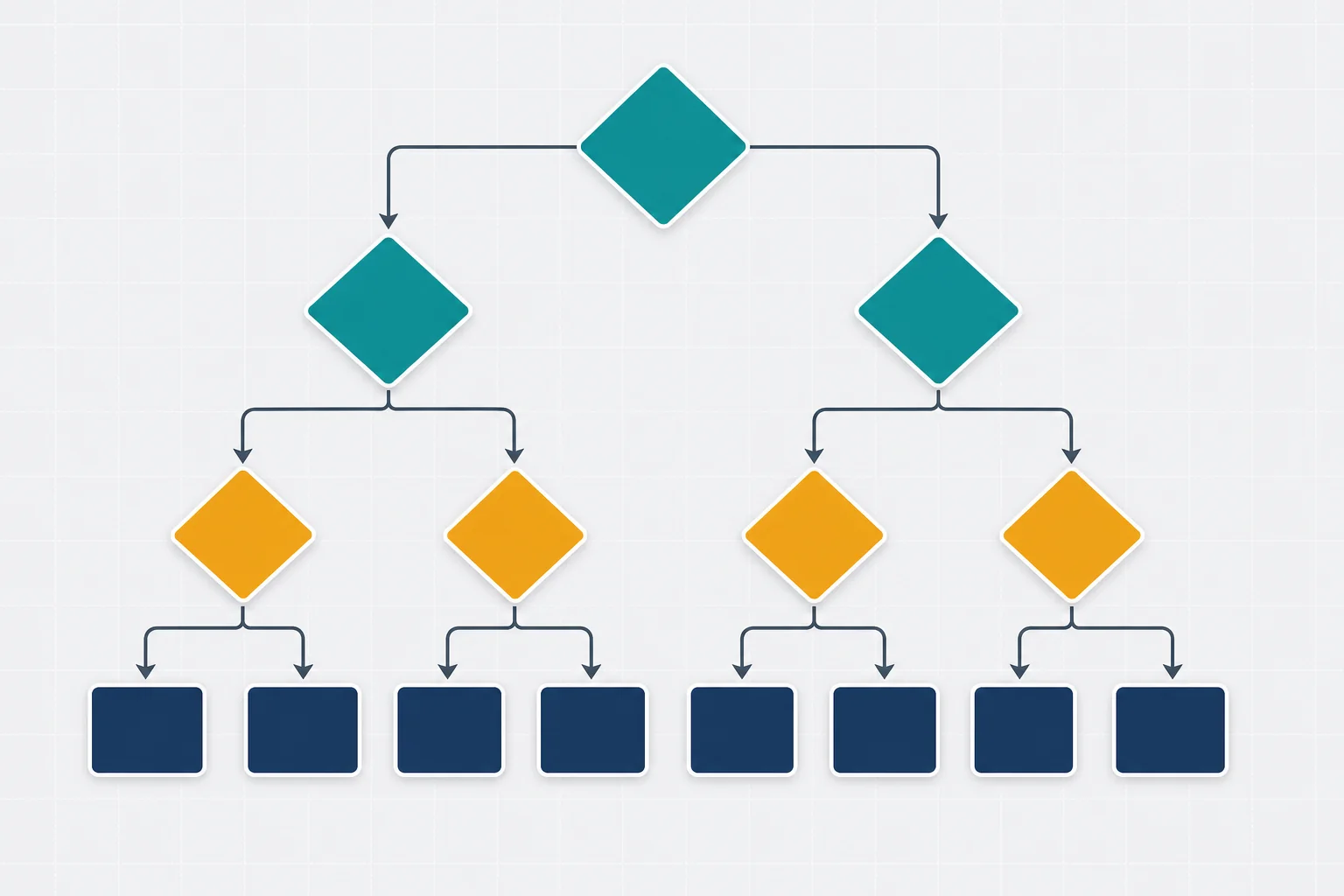
High volume (150+ hires/year) with predictable demand points toward Full RPO. Variable or project-based volume points toward Project RPO or AI Marketplace RPO. Low volume with specific gaps points toward Selective RPO.
One or two geographies with strong local agency networks can be served by most models. Three or more countries, especially if they span different regions, almost always require either a marketplace model or a very carefully scoped selective RPO with named in-country partners for each market. The RPO vs Agency India: Which Model Wins for Mid-Market Companies analysis is useful context here.
Generalist roles at scale suit Full RPO. Niche, specialist, or senior roles, especially in unfamiliar geographies, suit AI Marketplace RPO, where specialist agencies with deep domain knowledge handle sourcing. For leadership roles specifically, the Leadership Hiring India: The 2026 Complete Guide covers the nuances of senior hiring across models.
A strong internal team with specific geographic or functional gaps points toward Selective RPO. A lean team with broad hiring needs points toward Full RPO or AI Marketplace RPO. A team that can manage process but not sourcing points toward AI Marketplace RPO.
Fixed monthly budget with predictable cash flow suits Full RPO. Variable budget tied to actual hires suits AI Marketplace RPO (pay-on-hire). Project budget with defined headcount suits Project RPO. For a full breakdown of how recruitment outsourcing costs compare across models, see Managed Recruitment Services in India: 2026 Guide.
| Hiring Scenario | Best-Fit Model |
|---|---|
| High volume, 1, 2 geographies, predictable demand | Full RPO |
| Strong internal TA, specific geographic or functional gaps | Selective RPO |
| Defined headcount target, fixed timeline, discrete event | Project RPO |
| 3+ countries, niche roles, lean TA team, variable volume | AI Marketplace RPO |
| India-HQ company going global without regional HR teams | AI Marketplace RPO |
Regardless of which model you're evaluating, certain warning signs appear across vendor proposals that should prompt harder questions before you sign.
A minimum monthly fee that applies even when you make zero hires is a significant risk for companies with variable hiring demand. Ask specifically: "What do we pay in a month where we make no hires?" If the answer involves any fixed fee, understand exactly what you're committing to.
"We cover 50 countries" is a marketing claim, not a service commitment. Ask the vendor to name their in-country agency partners for each of your target markets. Ask how many placements they've made in those markets in the last 12 months. Vague answers here are a strong signal that the coverage is theoretical, not operational.
Phrases like "we will endeavour to," "we aim to provide," or "subject to market conditions" in SLA sections are red flags. Time-bound commitments, "first shortlist within 10 business days," "minimum three screened candidates per role", are what you need. If the SLA doesn't have numbers attached, it's not an SLA.
An 18-month or 24-month contract is reasonable if the vendor performs. It's a trap if they don't. Any contract longer than 12 months should include a performance-based exit clause, specific metrics that, if missed, allow you to exit without penalty. If the vendor won't agree to this, ask why.
Many RPO providers, especially for international roles, rely on sub-vendors or third-party agencies they've never disclosed to you. Ask directly: "Who will actually be sourcing candidates for our roles in [country]?" You have a right to know who is working your requirements. The Hiring Platforms India: Job Boards vs. Agencies vs. AI Marketplaces guide covers how different platform models handle vendor transparency.
Unscreened CVs from agencies waste your hiring managers' time and erode confidence in the outsourcing model. Ask how the vendor controls resume quality before candidates reach your team. What is the screening methodology? Who validates it? Is there an AI layer, a human review layer, or both? For context on what good AI screening looks like, AI Resume Screening: How to Choose the Right Tool in 2026 is worth reading before your next vendor conversation.
Print this list. Take it into every vendor meeting. The quality of the answers will tell you more than any proposal document.
The cost of slow hiring is higher than most TA leaders account for. The Time to Hire: The Hidden Cost of Roles Left Open analysis quantifies what delayed hiring actually costs the business, useful ammunition when making the case internally for a better outsourcing model.
It depends entirely on the model. Traditional full RPO with management fees and minimum billing floors can be expensive for companies hiring fewer than 100 people per year. AI marketplace RPO, with a pay-on-hire structure and no retainers, is accessible to companies hiring as few as 10, 15 roles per year across multiple geographies. The cost question is really a model question.
Yes, but the model choice matters. For 2, 3 countries with moderate volume, selective RPO or project RPO may be more cost-effective than full RPO. For 2, 3 countries with niche roles, AI marketplace RPO often outperforms both because it routes to specialist agencies rather than generalist teams.
Traditional RPO assigns a dedicated team to manage your hiring process. A recruitment marketplace connects you to a network of specialist agencies through a single platform, with AI matching roles to the most relevant firms. AI-powered marketplace RPO combines both: the process accountability of RPO with the specialist depth of a marketplace. The RPO vs Agency India guide covers this distinction in detail.
Full RPO onboarding typically takes 4, 8 weeks, ATS integration, team briefing, process documentation, and SLA finalisation. AI marketplace RPO platforms like CBREX can be operational in days, since the agency network and AI infrastructure are already in place. You post a role; the platform routes it. There's no dedicated team to onboard.
Under a pay-on-hire model, you pay nothing for unfilled roles, the financial risk sits with the provider, not with you. Under a management fee model, you continue paying regardless of fill rate. This is one of the most important structural differences between models, and it's worth understanding clearly before you sign.
Most RPO decisions go wrong not because the vendor is bad, but because the model was wrong for the company's situation. A full RPO built for volume hiring in one geography will underperform for a mid-market Indian company hiring niche roles across five countries. A project RPO designed for a GCC buildout won't serve ongoing multi-geo hiring needs. The model has to match the reality.
For India-HQ companies managing international hiring without dedicated regional HR teams, the AI-powered marketplace RPO model addresses the core structural problem: no single traditional provider has genuine specialist depth across every market you need to hire in. A network of 4,000+ specialist agencies, routed by AI, with a single contract and pay-on-hire billing, is a fundamentally different answer to that problem.
If you're evaluating your options right now, whether that's a full RPO engagement, a selective model, or an AI marketplace approach, the best next step is to see how the model performs against your actual open roles. Book a demo with CBREX and walk through your current hiring requirements across geographies. You'll see exactly which specialist agencies would work your roles, how the AI matching works in practice, and what the pay-on-hire economics look like for your specific headcount plan. No retainer required to find out.
Alternatively, if you'd prefer to start with a direct conversation about your multi-geo hiring challenges, reach out to the team directly, or sign up on the platform and post your first role to see the network in action.


