Read Time:
2 Mins
The 11-Minute Interview – How a Global Hospitality Leader Eliminated the Scheduling Nightmare


A leading global hospitality brand with thousands of properties worldwide was struggling with a "leaky" recruitment funnel. In the hotel industry, candidates often apply for multiple roles at different hotels simultaneously. The first hotel to call them usually gets the hire.
For this organization, the bottleneck was scheduling. It took an average of five to six days for a recruiter to see an application, check a hiring manager’s calendar, and successfully book an interview. By the time the invite was sent, the best candidates had already accepted offers elsewhere. The recruiters were acting as high-paid "calendar coordinators," spending 60% of their day playing phone tag.
To fix this, the company implemented a Conversational AI Assistant. Instead of waiting for a human to call, candidates who met basic criteria were immediately engaged by a chatbot. The AI handled the initial screening questions and—crucially—linked directly to the hiring managers' live calendars, allowing candidates to self-schedule their interviews in real-time.
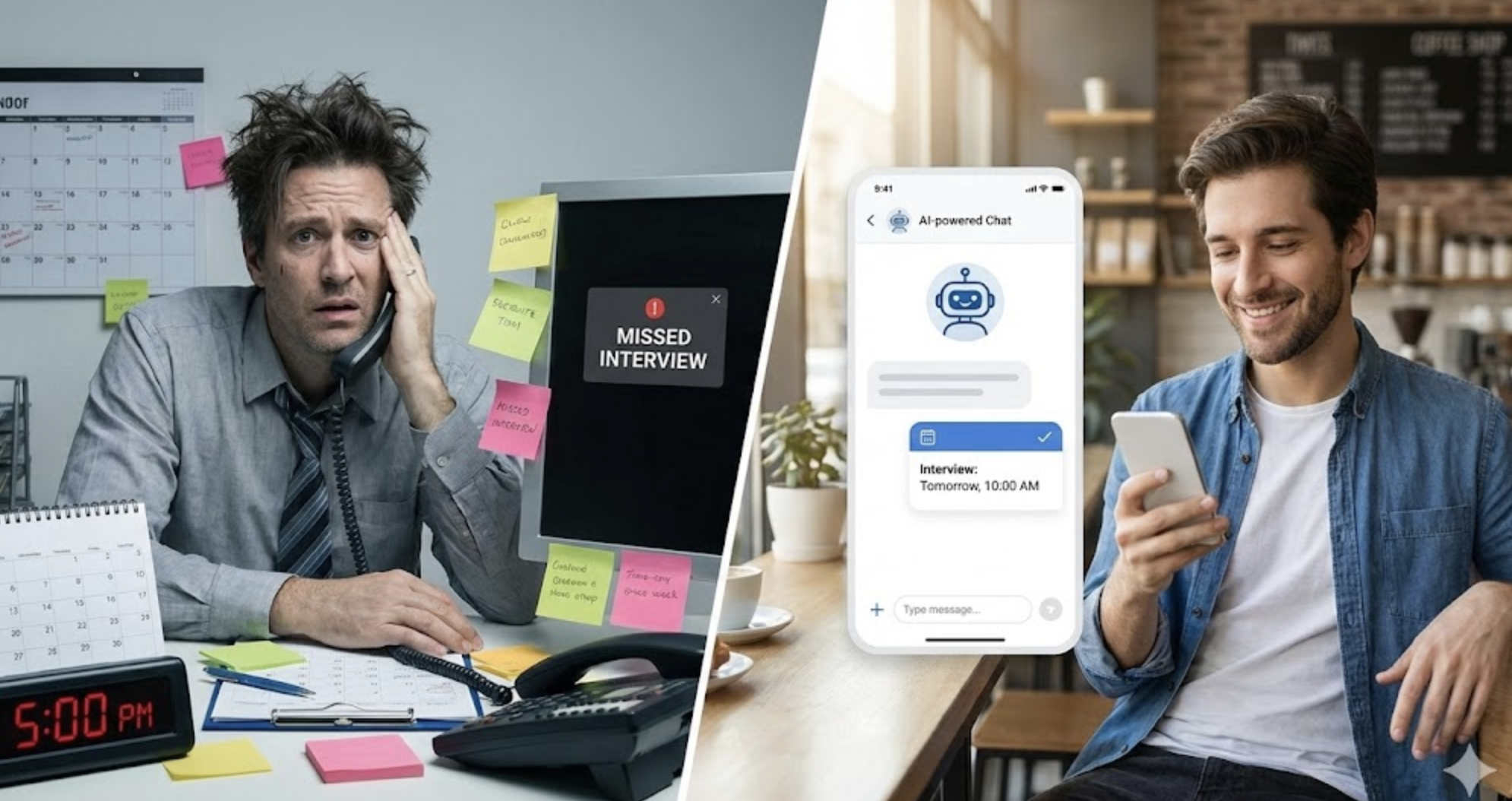
The shift was immediate. The time to schedule an interview dropped from 5 days to just 11 minutes. By removing the logistics of "the chase," the recruitment team reclaimed thousands of hours. They redirected this time into high-impact activities:
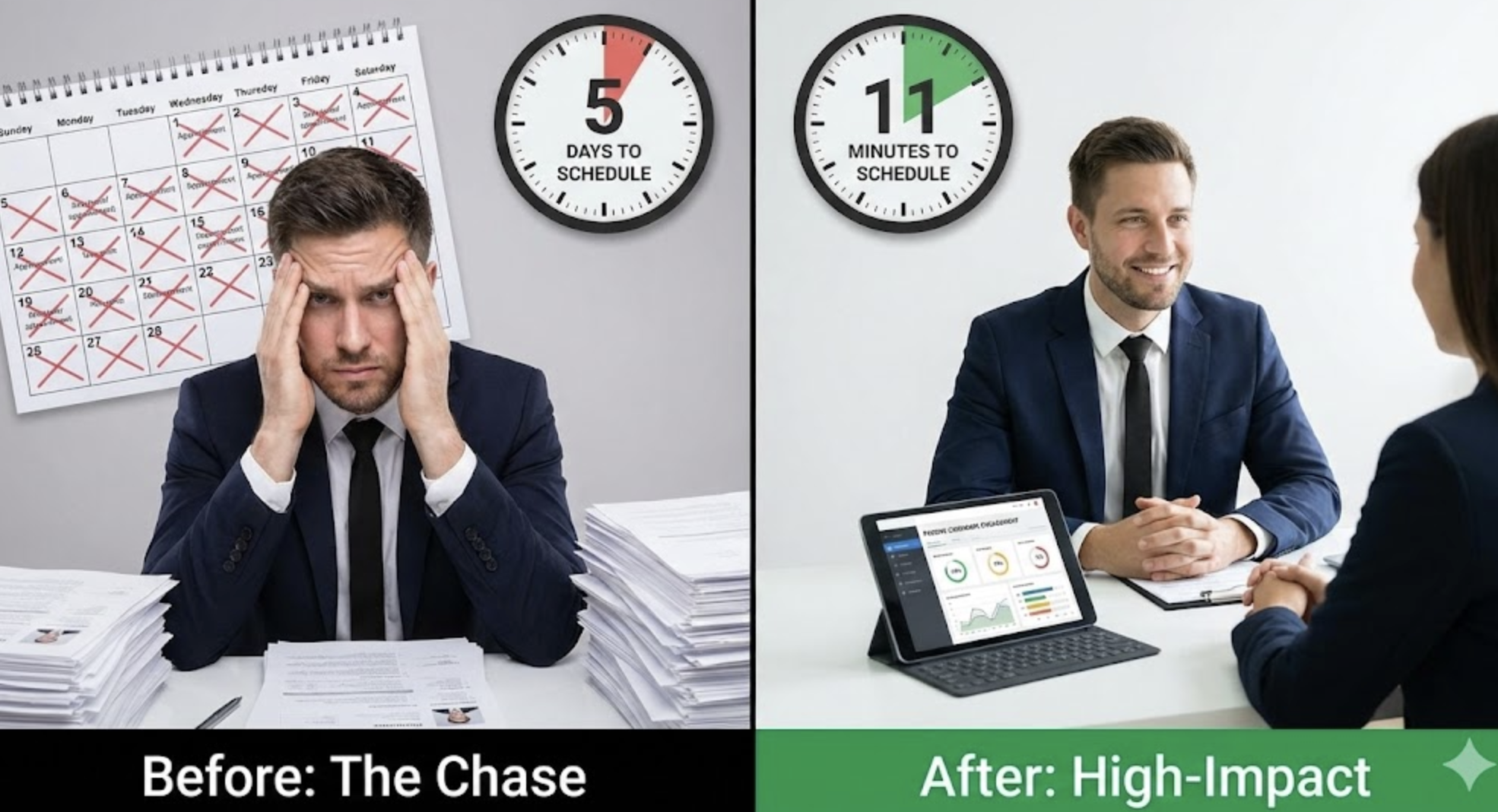
Modern recruitment is moving toward this model of "frictionless logistics." Platforms like CBREX are designed with this same philosophy—using AI to handle the heavy lifting of sourcing and initial vetting across global talent pools, ensuring that by the time a recruiter steps in, the only thing left to do is the human assessment.
The hospitality giant saw a 75% reduction in manual administrative work. In a world where talent is a perishable commodity, AI didn't just speed up the process; it gave recruiters the breathing room to be "hospitable" to their candidates again.


